SALVARE LA CULTURA E DIFENDERE LA SOVRANITA’.TUVALU NON SI ARRENDE
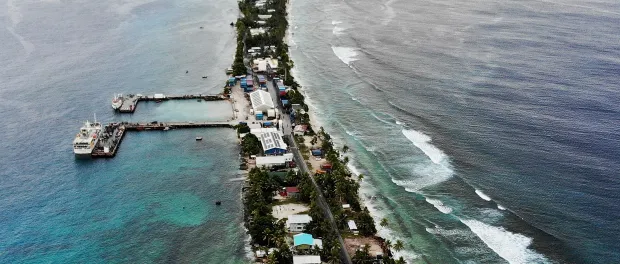
In un mondo dove il cambiamento climatico erode coste e minaccia isole, c’è un piccolo arcipelago nel Pacifico meridionale che sta lottando con tutte le sue forze contro l’innalzamento dei mari. Tuvalu, con i suoi nove atolli e una popolazione di circa 11.000 abitanti, ha terre basse di poco più alte del livello del mare. Le proiezioni NASA indicano un innalzamento importante entro il 2050 ma il fiero Popolo di Tuvalu non si arrende: sono decisi a preservare la loro identità culturale e sovranità attraverso un progetto digitale, mantenendo viva la nazione anche se le isole fisiche dovessero subire danni gravi.L’idea è nata nel 2022, alla conferenza sul clima COP27 in Egitto. Il ministro degli Esteri Simon Kofe ha attirato l’attenzione mondiale con un discorso da una ricostruzione digitale dell’isolotto di Te Afualiku, uno dei più vulnerabili. In quel video, Kofe ha presentato il progetto “Future Now”, che include un “Digital Twin” – una replica virtuale delle isole con spiagge, case e palme – per salvaguardare il territorio e l’essenza del popolo tuvaluano. “Mentre la nostra terra scompare, non abbiamo scelta se non diventare la prima nazione digitale al mondo”, ha detto Kofe, presentandolo come un atto di resilienza.Oggi, nel 2026, il progetto Digital Nation avanza con la “Digital Ark”, un archivio che raccoglie storie orali degli anziani, danze tradizionali, artefatti e suoni della lingua tuvaluana. I cittadini contribuiscono con ricordi personali, creando un database che cattura l’anima di Tuvalu. Recentemente, ci sono state consultazioni con comunità locali per espandere la piattaforma Digital Ark dalla beta, e progetti di documentari catturano storie della storia tuvaluana.Questa transizione ha guadagnato supporto internazionale, Tuvalu nonostante l’innalzamento dei mari, continuerà ad esistere come Stato Sovrano. Esso ha rafforzato i legami con l’Australia tramite il trattato Falepili Union, firmato nel 2023 e in vigore dal 2024. Ispirato al concetto tuvaluano di “falepili” – buon vicinato, cura e rispetto – è il primo patto bilaterale dedicato alla mobilità climatica. Offre fino a 280 visti permanenti all’anno per cittadini di Tuvalu, permettendo di vivere, lavorare e studiare in Australia con dignità. I primi gruppi hanno iniziato ad arrivare dal 2025, dopo l’apertura del ballot a giugno di quell’anno. L’Australia finanzia anche progetti di rinforzo costiero e riconosce la sovranità perpetua di Tuvalu, anche in caso di gravi inondazioni. È un modello che potrebbe espandersi, offrendo un framework per la migrazione climatica senza convenzioni internazionali adeguate.La storia di Tuvalu ci avvisa: mentre il mare sale, questo popolo mostra che la determinazione può trasformare una crisi in un piano per il futuro. Non è una fuga nel virtuale, ma un legame tra tradizione e innovazione, che evidenzia la fragilità del pianeta e l’importanza della diversità culturale. In un’era di globalizzazione che livella tutto, queste piccole isole ci insegnano a proteggere ciò che ci rende unici. In a world where climate change is eroding coastlines and threatening islands, there is a small archipelago in the South Pacific that is fighting with all its might against rising sea levels. Tuvalu, with its nine atolls and a population of around 11,000, has low-lying land that is just above sea level. NASA projections indicate a significant rise by 2050, but the proud people of Tuvalu are not giving up: they are determined to preserve their cultural identity and sovereignty through a digital project, keeping the nation alive even if the physical islands suffer serious damage.The idea was born in 2022 at the COP27 climate conference in Egypt. Foreign Minister Simon Kofe attracted worldwide attention with a speech from a digital reconstruction of the islet of Te Afualiku, one of the most vulnerable. In that video, Kofe presented the “Future Now” project, which includes a “Digital Twin”—a virtual replica of the islands with beaches, houses, and palm trees—to safeguard the territory and essence of the Tuvaluan people. “As our land disappears, we have no choice but to become the world’s first digital nation,” Kofe said, presenting it as an act of resilience. Today, in 2026, the Digital Nation project is moving forward with the “Digital Ark,” an archive that collects oral histories from elders, traditional dances, artifacts, and sounds of the Tuvaluan language. Citizens contribute personal memories, creating a database that captures the soul of Tuvalu. Recently, there have been consultations with local communities to expand the Digital Ark platform from beta, and documentary projects are capturing stories of Tuvaluan history.This transition has gained international support, and Tuvalu, despite rising sea levels, will continue to exist as a sovereign state. It has strengthened ties with Australia through the Falepili Union treaty, signed in 2023 and in force since 2024. Inspired by the Tuvaluan concept of “falepili” – good neighborliness, care, and respect – it is the first bilateral pact dedicated to climate mobility. It offers up to 280 permanent visas per year for Tuvalu citizens, allowing them to live, work, and study in Australia with dignity. The first groups began arriving in 2025, after the ballot opened in June of that year. Australia also funds coastal reinforcement projects and recognizes Tuvalu’s perpetual sovereignty, even in the event of severe flooding. It is a model that could expand, providing a framework for climate migration without adequate international conventions.The story of Tuvalu warns us: as the sea rises, this people shows that determination can transform a crisis into a plan for the future. It is not an escape into the virtual, but a link between tradition and innovation, highlighting the fragility of the planet and the importance of cultural diversity. In an era of globalization that levels everything, these small islands teach us to protect what makes us unique.